
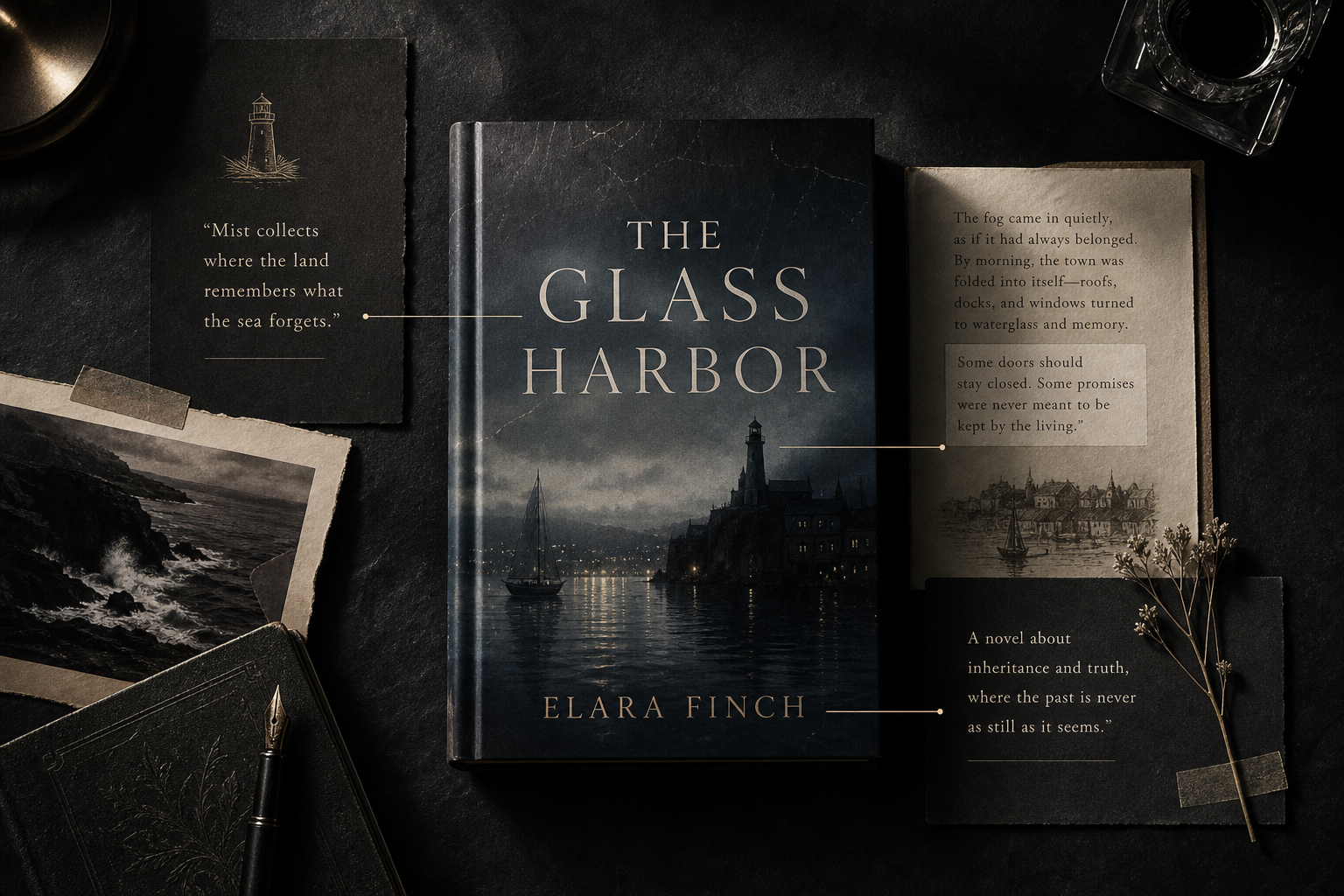
The Glass Harbor
Author: Elara Finch
Bookopsy contribution: Spotlight narrative architecture, quote curation, visual sequencing
Built as a long-form discovery page where synopsis, mood, and critical cues could be read in one calm editorial flow.
Work Archive
A focused record of Bookopsy work across curated spotlights, reader-facing materials, visibility campaigns, and cinematic book presentation studies.
Project gallery
From curated spotlights to reader materials, author-visibility structures, creative presentation systems, and one cinematic sequence, every project holds the same literary care while keeping its own form.
Start a conversation about your book
Author: Elara Finch
Bookopsy contribution: Spotlight narrative architecture, quote curation, visual sequencing
Built as a long-form discovery page where synopsis, mood, and critical cues could be read in one calm editorial flow.
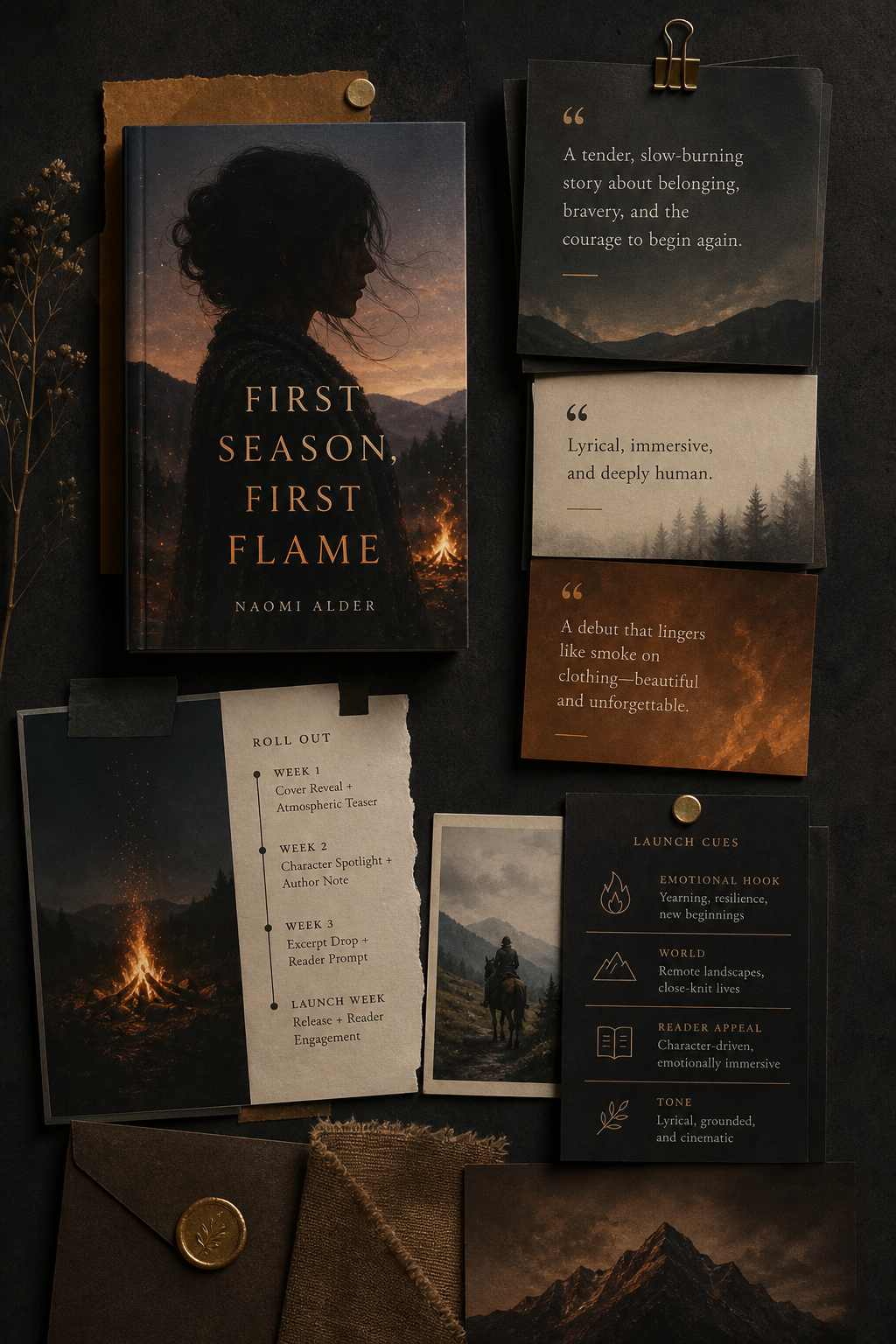
Author: Naomi Alder
Bookopsy contribution: Release-week cadence, excerpt set, social teaser language
Structured a seven-day visibility rollout that introduced voice and stakes in sequence, without flattening the novel into campaign shorthand.
03
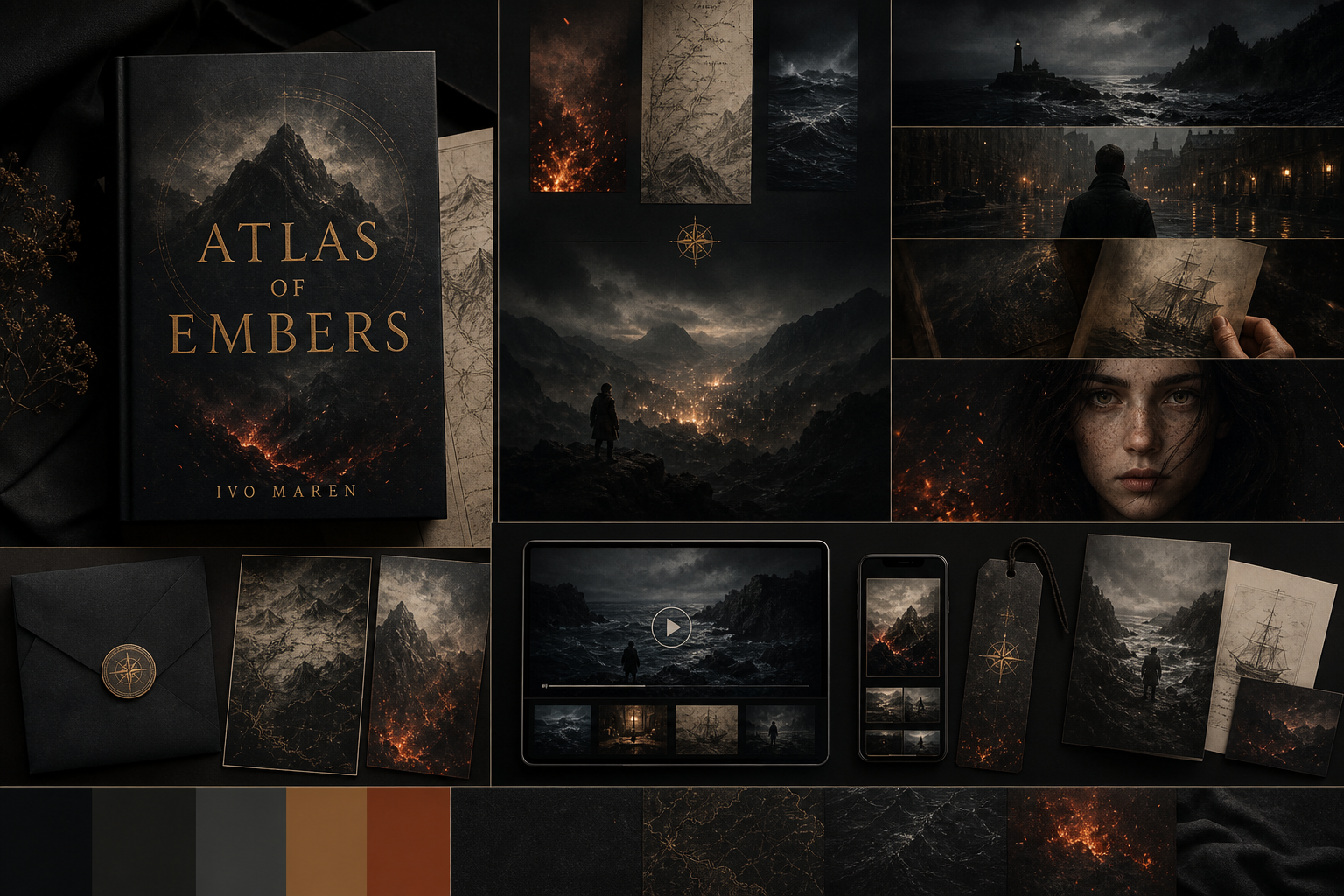
Author: Ivo Maren
Bookopsy contribution: Cross-channel visual language, spotlight-to-campaign bridge, asset-kit logic
Unified cover-led storytelling across feature pages, rollout assets, and reader-facing fragments so the book stayed recognizable in every context.
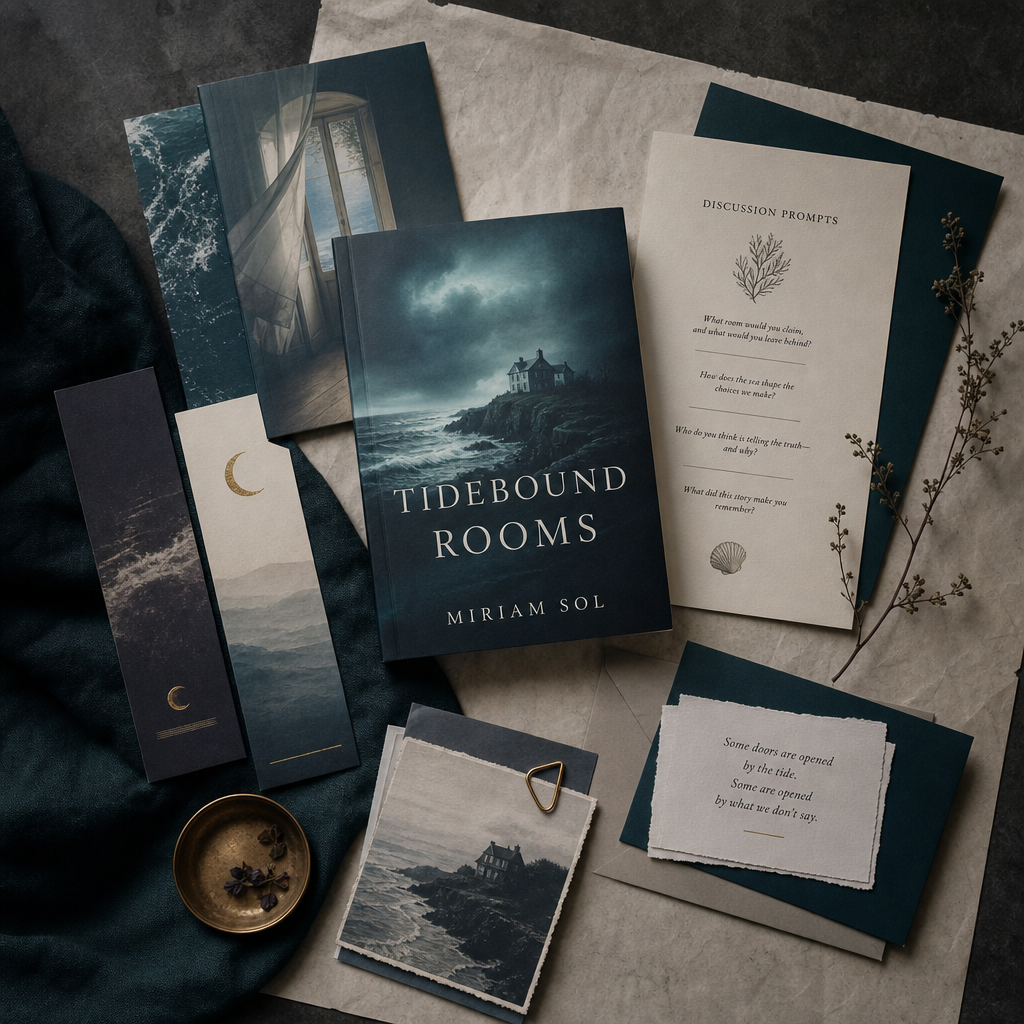
Author: Miriam Sol
Bookopsy contribution: Reading-circle prompts, printable materials, post-reading interaction design
Designed engagement materials that carried discussion past the final chapter while preserving the novel’s original atmosphere.
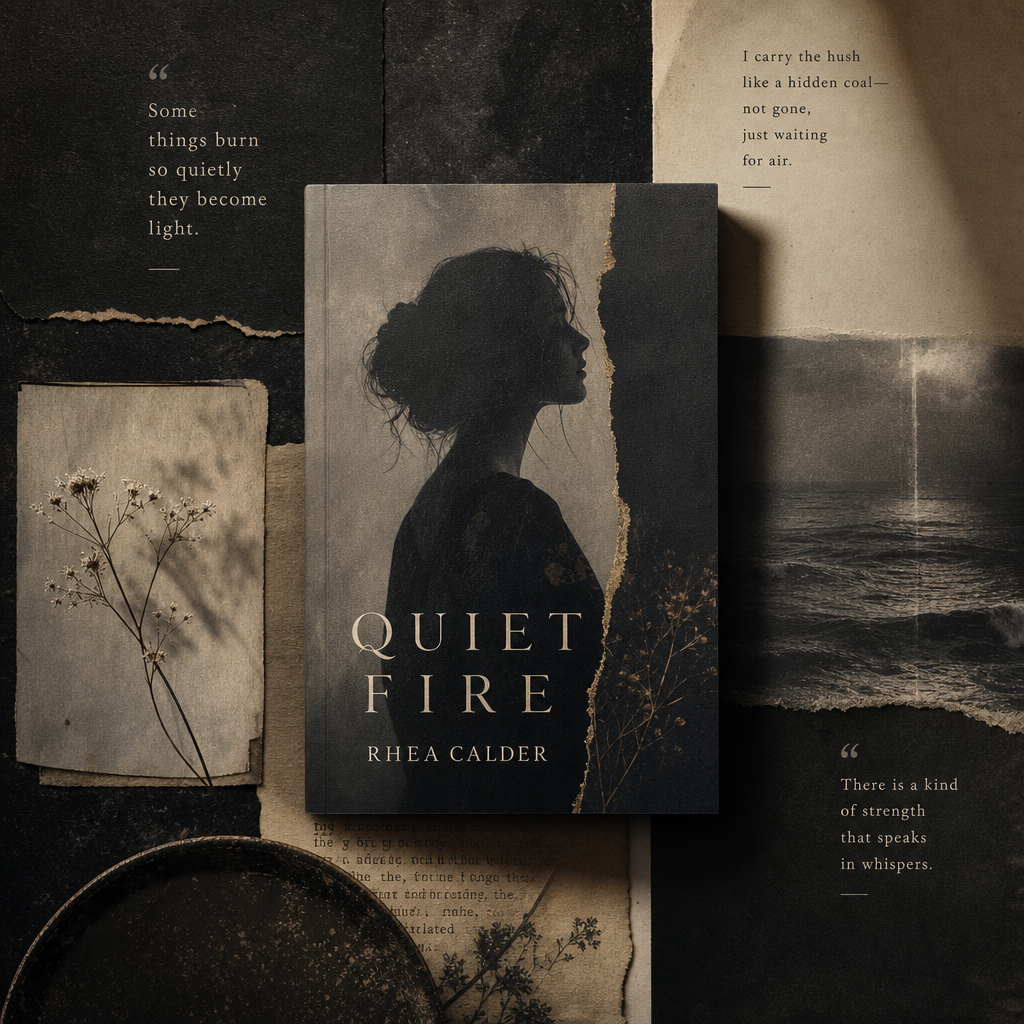
Author: Rhea Calder
Bookopsy contribution: Quote-led entry structure, archival visual language, backlist relaunch framing
Reintroduced a poetry backlist title through fragment-first presentation, giving new readers a way in through voice rather than chronology.
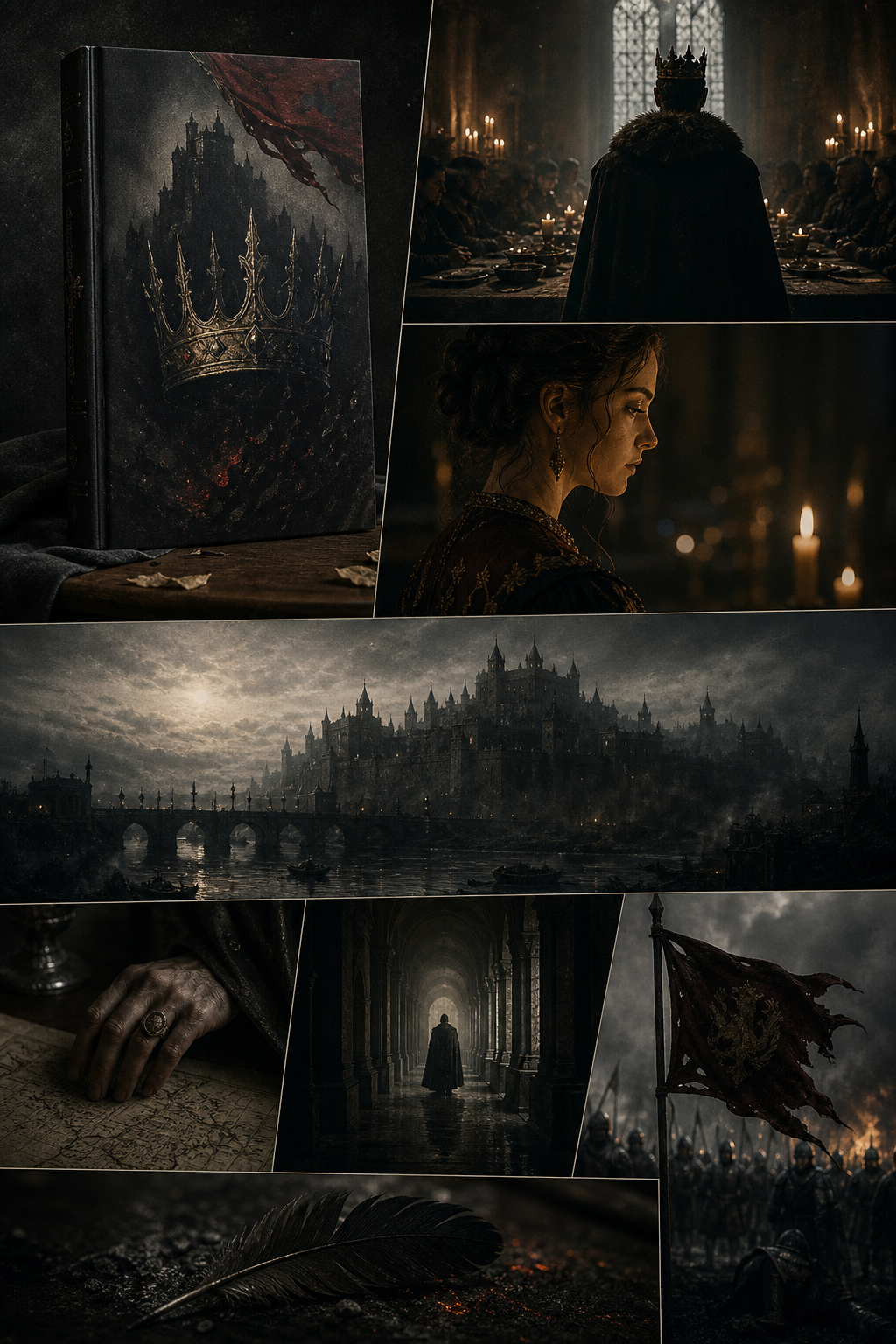
Author: Tomas Vale
Bookopsy contribution: Scripted visual beats, still-sequence edit, mood caption writing
Composed a concise teaser sequence that signaled conflict and atmosphere while keeping the book itself at the center of discovery.
Cinematic teaser work is one format inside a broader editorial portfolio that also spans spotlight, visibility, reader, and backlist presentation systems.
Public field guide
This register maps how book discovery, visibility, reader engagement, presentation, and selective teaser work operate together in public—so each book is encountered with context, clarity, and memory.
Start a conversation01
Discovery foundation
Editorial feature pieces that frame tone, stakes, and reader fit, so discovery begins with literary context rather than generic promotion cues.
02
Consistent editorial positioning across touchpoints so authors and titles remain legible, recognizable, and easier for readers to follow over time.
03
Reader-facing materials that extend a book’s voice after first contact and invite discussion, recall, and return without flattening its nuance.
04
Interpretive layer
Concept-led visual framing that translates atmosphere and meaning into memorable form while keeping literary intent intact.
05
Selective format
A deliberately chosen mode when motion best serves the story—one part of the wider Bookopsy practice, not the whole offering.
Together, these five modes function as a single editorial system for how books are introduced, interpreted, and remembered in public.
Practical appendix
A few clear notes on fit, scope, and first steps—so you can decide with confidence whether Bookopsy is the right home for your book’s next presentation.
Books with a clear voice and a reader community to reach—literary fiction, speculative work, narrative nonfiction, and atmospheric genre titles—tend to translate especially well into our curated spotlight format.
Depending on goals, a feature may combine editorial framing, discovery-first copy, visual spotlight assets, reader-engagement prompts, and optional teaser components that help your book stand out without flattening its identity.
We start with a short inquiry and a focused fit conversation. From there, Bookopsy shares a proposed direction, scope, and timeline so you can review the shape of the collaboration before any production begins.
Cinematic teasers are one format within a larger discovery strategy. They are used when motion and mood will deepen reader curiosity, while the full campaign keeps equal attention on editorial clarity, audience fit, and long-term discoverability.
After exploring the work, use the inquiry invitation in the closing section and share your book, goals, and timing. You’ll receive a thoughtful response with next steps tailored to your project.
Closing note
Tell me what the book is, who you most want it to reach, and where visibility feels hardest right now. We can shape the next step with care.